


Dhanteras 2026: Date, Puja Muhurat, What to Buy, Puja Vidhi and Significance
Dhanteras 2026 falls on Friday, November 6, 2026, observed on Trayodashi Tithi of Krishna Paksha in the Kartik month. Dhanteras marks the beginning of the five-day Diwali festival and is one of the most auspicious days in the Hindu calendar for buying gold, silver, utensils, and new vehicles. It is also celebrated as Dhanvantari Jayanti — the birth anniversary of Lord Dhanvantari, the physician of the gods and the deity of Ayurveda. Below you will find the exact date, Tithi timing, Dhanteras Puja Muhurat, Pradosh Muhurat, what to buy on Dhanteras, puja vidhi, and the stories behind this festival.
Dhanteras 2026 At a Glance
| Detail | Timing / Info |
|---|---|
| Festival | Dhanteras / Dhanvantari Jayanti / Dhanatrayodashi |
| Date 2026 | Friday, November 6, 2026 |
| Hindu Month | Kartik |
| Paksha | Krishna Paksha |
| Tithi | Trayodashi |
| Trayodashi Tithi Begins | Friday, November 6, 2026 at 10:30 AM |
| Trayodashi Tithi Ends | Saturday, November 7, 2026 at 10:47 AM |
| Dhanteras Puja Muhurat | 06:37 PM to 08:37 PM |
| Pradosh Muhurat | 06:02 PM to 08:41 PM |
Dhanteras Date and Tithi 2026
Dhanteras, also called Dhanatrayodashi, is observed on Trayodashi Tithi of Krishna Paksha in the Kartik month. It falls two days before Diwali and marks the start of the five-day festival season. This year, the Trayodashi Tithi begins at Friday, November 6, 2026 at 10:30 AM and ends at Saturday, November 7, 2026 at 10:47 AM, with Dhanteras falling on Friday, November 6, 2026.
The Dhanteras Puja Muhurat this year is 06:37 PM to 08:37 PM and the Pradosh Muhurat falls at 06:02 PM to 08:41 PM. Both are considered auspicious windows for performing puja and making new purchases. The Pradosh Kaal, which occurs during the twilight hours around sunset, is particularly important on Dhanteras because it is the time when Goddess Lakshmi and Lord Kuber are traditionally worshipped together for wealth and prosperity.
What Is Dhanteras
Dhanteras gets its name from two words: Dhan, meaning wealth, and Teras, meaning the thirteenth day. The festival is therefore literally the celebration of wealth on the thirteenth day of the dark fortnight in Kartik. It is the first day of the Diwali season, followed by Chhoti Diwali on the fourteenth and Diwali on the fifteenth.
The day is observed in two distinct ways. Religiously, it is marked by the worship of Goddess Lakshmi, Lord Kuber, the treasurer of the gods and Lord Dhanvantari, with lamps lit at the entrance of homes to welcome prosperity. Practically, Dhanteras is the most significant shopping day of the year in India, when people buy gold, silver, utensils, electronics, and vehicles, believing that new purchases made on this day bring lasting good fortune into the household.
The Story Behind Dhanteras
The most well-known story associated with Dhanteras involves King Hima's son, who was destined to die by snakebite on the fourth day of his marriage, according to his horoscope. His young wife, determined to prevent this, did not let him sleep on that night. She kept him awake by telling stories, singing songs, and keeping the room brightly lit. She placed all her jewellery and gold coins in a large heap at the entrance of their bedroom and lit diyas all around them.
When Yama, the god of death, arrived in the form of a serpent to take the young man's life, he was blinded by the light of the lamps and dazzled by the gold and jewellery. Unable to enter the room, he sat atop the pile and listened to the wife's songs through the night. By morning, he quietly departed without taking the young man's life. This is why Dhanteras is also associated with the worship of Yama, and why lighting the Yamadeepa a lamp facing south, in the direction of Yama's domain is an important ritual on this day.
The second story connects Dhanteras to the Samudra Manthan, the churning of the cosmic ocean by the gods and demons. During this churning, Lord Dhanvantari emerged from the ocean carrying a pot of Amrit, the nectar of immortality. His appearance on Trayodashi Tithi is why the day is also celebrated as Dhanvantari Jayanti, the birth anniversary of the god of Ayurveda and divine medicine.
Dhanvantari Jayanti and Its Significance
Lord Dhanvantari is believed to be an incarnation of Lord Vishnu and is regarded as the god of health, medicine, and Ayurveda. His emergence from the Samudra Manthan carrying the Amrit Kalash a pot filled with the nectar of immortality, is one of the most significant events in Hindu cosmology. He is considered the divine physician who brought the knowledge of medicine and healing to the world.
On Dhanvantari Jayanti, which coincides with Dhanteras, doctors, medical practitioners, and Ayurvedic healers across India observe the day with special prayers. Patients offer thanks for their recovery. Hospitals and clinics perform puja. It is a day when the Hindu tradition acknowledges the sacred nature of health and healing alongside wealth and prosperity.
Buying medicines or health-related items on Dhanteras is considered particularly auspicious because of this Dhanvantari connection. Many families purchase new medical kits, herbal supplements, or Ayurvedic products on this day as part of the tradition.
Yamadeepa: The Lamp for Yama on Dhanteras
One of the most important and often overlooked rituals of Dhanteras is the lighting of the Yamadeepa. A diya is lit facing south, the direction associated with Yama, the god of death outside the home on Dhanteras evening. This lamp is kept burning through the night.
The Yamadeepa is lit as a prayer for the protection of family members from untimely death and illness. The lamp facing south serves as a symbolic request to Yama to keep the household members safe and grant them long life. In many North Indian families, this ritual is considered just as important as the main Dhanteras puja, and no household observance is considered complete without lighting the southern-facing lamp.
Dhanteras Puja Muhurat 2026
The Dhanteras Puja Muhurat this year is 06:37 PM to 08:37 PM. Performing the puja during this window is considered the most auspicious time for worshipping Goddess Lakshmi and Lord Kuber. The Pradosh Muhurat of 06:02 PM to 08:41 PM is also an excellent window for the puja, as Pradosh Kaal is traditionally associated with Shiva and is considered highly auspicious for beginning or conducting any ritual during the Diwali season.
Many families perform a brief puja in the morning to mark the start of Dhanteras and a more elaborate evening puja during the Muhurat. Purchases particularly gold and silver, are ideally made before or during the Puja Muhurat to maximise the auspiciousness associated with buying on this day.
What to Buy on Dhanteras 2026
Dhanteras is considered the most auspicious day of the year for making significant purchases. The belief is rooted in the idea that buying on Dhanatrayodashi brings wealth and prosperity into the home throughout the year. Here is what is traditionally bought and why:
Gold and Silver: Buying gold on Dhanteras is the most widely observed tradition. Even a small gold coin or silver coin counts. The purchase is seen as inviting Lakshmi herself into the home, since gold and silver are considered her metals. Jewellery shops across India record their highest sales of the year on Dhanteras.
Utensils and Cookware: New utensils, particularly those made of brass, copper, or stainless steel, are traditionally purchased on Dhanteras. In older households, buying new vessels for the kitchen was the primary Dhanteras purchase, and this tradition continues alongside gold buying. New utensils are said to bring abundance in food and nourishment into the home.
Brooms: Buying a new broom on Dhanteras is a tradition in many North Indian families. A new broom is associated with sweeping out poverty and bringing in Goddess Lakshmi, since she is said to enter a clean, well-swept home. The broom bought on Dhanteras is first used on the morning of Diwali.
Electronics and Appliances: In modern practice, Dhanteras has become one of the biggest days for electronics purchases; televisions, refrigerators, washing machines, and mobile phones are all commonly bought on this day. Many retailers offer Dhanteras-specific discounts, and both online and offline shopping spikes sharply.
Vehicles: Two-wheelers and cars are increasingly purchased or booked on Dhanteras, with dealerships extending special offers. Many families also perform a small puja on new vehicles bought during the Diwali period, using Dhanteras as the ideal day to make the booking or take delivery.
What Not to Buy on Dhanteras: Traditional belief advises against buying sharp objects like scissors, knives, or anything made of iron on Dhanteras. Glass items and black-coloured products are also generally avoided. Oil and aluminium are also on the traditionally avoided list in some regions.
Dhanteras Puja Vidhi
Start by cleaning the home thoroughly in the morning and drawing a rangoli or placing marigold flowers at the entrance to welcome Goddess Lakshmi. Set up the puja space in the evening, placing idols or images of Goddess Lakshmi, Lord Kuber, and Lord Ganesha together. Place the new items bought — gold, silver, or utensils in front of the puja area as they are being welcomed into the home through the puja.
The puja thali should include: Kumkum, Haldi, Akshat, flowers especially marigold and lotus if available, a diya, incense, sweets especially kheel and batashe (puffed rice and sugar drops traditionally offered on Dhanteras), fruits, and a small pot of water.
Light the diya and incense. Apply Kumkum and Akshat to the idols. Offer flowers, fruits, and sweets. Recite the Lakshmi Stotram or chant:
Om Shreem Hreem Shreem Kamale Kamalalaye Praseed Praseed, Om Shreem Hreem Shreem Mahalakshmyai Namah
Also chant the Kuber mantra for wealth:
Om Yakshaya Kuberaya Vaishravanaya Dhanadhanyadhipataye, Dhanadhanyasamriddhim Me Dehi Dapaya Swaha
After completing the main puja, light the Yamadeepa facing south at the entrance of the home. This lamp should be kept burning through the night. Many families also light a row of diyas along the entrance steps and on the windowsills as part of welcoming Lakshmi and beginning the Diwali illumination.
Dhanteras and Goddess Lakshmi
Goddess Lakshmi is central to Dhanteras. She is the goddess of wealth, prosperity, and abundance, and the entire purpose of the day's puja is to invite her into the home and seek her sustained presence through the year. The lighting of lamps is directly tied to the belief that Lakshmi travels to well-lit homes; darkness is said to be unwelcoming to her, while a home that is brightly lit and clean is one she will choose to enter.
This is why Dhanteras marks the beginning of the Diwali lamp-lighting tradition. The progressive increase in lights from Dhanteras to Diwali night mirrors the welcoming of Lakshmi over several days, with the full illumination of Diwali night representing her full arrival in the home.
Kuber Puja on Dhanteras
Lord Kuber, the treasurer of the gods and the lord of wealth, is worshipped alongside Goddess Lakshmi on Dhanteras. While Lakshmi is the source of wealth, Kuber is the keeper and manager of it. Worshipping both together on Dhanteras is a way of seeking not just the arrival of wealth but also its safekeeping and growth.
A Kuber Yantra a geometric diagram associated with Kuber, is installed and worshipped in some households on Dhanteras for the first time as part of the festival. Business owners and shopkeepers in particular give Kuber puja special attention, keeping the Yantra in their safes, cash registers, or business premises and praying for sustained prosperity in the year ahead.
Dhanteras Across India
In North India, Dhanteras is celebrated primarily as a shopping festival alongside the evening Lakshmi-Kuber puja. Markets stay open late into the night, and jewellery stores, electronics shops, and vehicle showrooms report some of their highest sales volumes of the entire year on this single day.
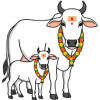
In Maharashtra, the day is called Vasu Baras, and it is observed one day earlier, with the worship of cows and calves. Dhanteras itself is also celebrated in Maharashtra as a puja day, but the traditions differ somewhat from the North Indian observance. In Gujarat, Dhanteras coincides with the last day of the Gujarati New Year celebration and holds significant commercial importance for the business community, which performs Chopda Puja the worship of new account books on or around this day.
In South India, Dhanteras is not as widely observed as in North India, but the Dhanvantari Jayanti aspect of the day is given prominence, particularly in communities with strong Ayurvedic traditions.
Dhanteras Today
Dhanteras has become one of the biggest retail events in India, with online platforms launching Dhanteras sales weeks in advance and physical markets staying open through the night. Gold and silver demand spikes sharply in the days leading up to Dhanteras, and the Reserve Bank of India typically reports higher gold import figures in the weeks around the festival. The religious significance of the day the Yamadeepa, the Dhanvantari puja, and the Lakshmi-Kuber worship continues in parallel with the commercial scale, with most families observing both the puja and the purchase tradition as inseparable parts of the same day.