


Guru Purnima 2027: Date, Tithi, Significance and Puja Vidhi
Guru Purnima 2027 falls on Sunday, July 18, 2027, observed on the Purnima Tithi of the Ashadha month. The day is set aside to honour teachers and spiritual guides, recognising the role they play in shaping a person's knowledge and character. Here you'll find the exact date, Tithi timing, the reasoning behind the festival, and how it's observed across different traditions.
Guru Purnima 2027 Date & Tithi
| Detail | Timing / Info |
|---|---|
| Festival Date | Sunday, July 18, 2027 |
| Purnima Tithi Begins | Saturday, July 17, 2027 at 6:48 PM |
| Purnima Tithi Ends | Sunday, July 18, 2027 at 9:14 PM |
Guru Purnima Date and Tithi Timing
Guru Purnima is observed on the full moon day of Ashadha month, so like most festivals based on the lunar calendar, the date changes every year. This year, the Purnima Tithi begins at Saturday, July 17, 2027 at 6:48 PM and runs until Sunday, July 18, 2027 at 9:14 PM, with Sunday, July 18, 2027 marking the day of celebration.
Most people offer prayers or visit their Guru any time during the day, since unlike some festivals, Guru Purnima doesn't require a fixed Muhurat. the entire day within the Purnima Tithi is considered suitable for the rituals.
Why Guru Purnima Is Celebrated
Guru Purnima is dedicated to teachers, mentors, and spiritual guides anyone who has helped someone move from confusion to clarity. The word Guru comes from "Gu," meaning darkness, and "Ru," meaning one who removes it. A Guru, in that sense, is someone who clears ignorance and points the way forward, whether in academics, spiritual practice, or life in general.
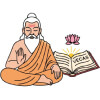
The day is traditionally linked to the sage Ved Vyasa, who is credited with compiling the Mahabharata and the four Vedas. Many consider him the first Guru, and this day marks both his birth and the beginning of his teachings, which is why it's also referred to as Vyasa Purnima.
The Story of Ved Vyasa and Guru Purnima
According to tradition, Ved Vyasa was born on this day and went on to divide the single Veda into four — Rigveda, Yajurveda, Samaveda, and Atharvaveda — making them accessible to different groups of people. He's also credited with writing the Brahma Sutras and compiling the Puranas, which is why scholars regard him as one of the most influential teachers in Hindu philosophy.
Guru Purnima is observed as a tribute to this contribution, with the day used to acknowledge anyone who has played the role of a Guru — be it a teacher, a parent, a spiritual master, or even a mentor at work.
Buddhist and Jain Significance
Guru Purnima also holds meaning outside Hindu tradition. In Buddhism, the day marks when Gautam Buddha delivered his first sermon at Sarnath after attaining enlightenment, addressing his first five disciples. Buddhists observe the day with meditation, chanting, and visits to monasteries.
In Jainism, the day is connected to Lord Mahavira, who is believed to have made Gautam Swami his first disciple on this date, marking the start of the Ganadhar tradition. Jain communities mark the day with prayers and teachings centred on Mahavira's philosophy.
How Guru Purnima Is Observed
Disciples typically begin the day by cleaning the space where they'll perform the puja, then offer flowers, fruits, and sweets to their Guru or to a picture or idol representing their teacher. Many people visit their Guru in person, touch their feet as a mark of respect, and seek blessings.
In ashrams and gurukuls, the day often involves group prayers, satsang, and discourses on the importance of the Guru-disciple relationship. Schools and colleges sometimes hold smaller versions of the tradition, with students thanking teachers through cards, gifts, or simple gestures of appreciation.
Guru Purnima Puja Vidhi
Start the day with a bath, then set up a clean space with a picture or idol of your Guru, or of Ved Vyasa if you don't have a personal teacher in mind. Light a lamp, offer flowers and fruits, and recite a few verses or shlokas dedicated to the Guru tradition. If your Guru is alive, the day is best spent visiting them, offering Dakshina if appropriate, and spending time in their guidance. If not, many people use the day for reflection, reading their Guru's teachings, or visiting a temple connected to their tradition.
Guru Purnima Across Traditions
In North India, the day is mostly observed quietly within families and gurukuls, with disciples visiting their teachers. In Maharashtra, Guru Purnima coincides closely with the Ashadhi Ekadashi season and sees large gatherings at temples dedicated to saints and spiritual leaders. Yoga schools across India and abroad often hold special sessions on this day, treating it as an occasion to honour the lineage of yoga teachers going back to ancient sages. Buddhist regions, including parts of the Himalayas and Southeast Asia, mark the day with temple visits and meditation retreats.
Guru Purnima Today
The idea behind the festival hasn't really changed, even though fewer people today live with a Guru in the traditional sense. Many use the day to thank school teachers, college professors, fitness coaches, or anyone who's guided them in a meaningful way. Online classes and video calls have also made it easier for students living far from their teachers to send greetings or join a virtual satsang on this day. At its core, Guru Purnima remains a reminder that guidance, in whatever form it takes, deserves to be acknowledged.