






The Call of the Chariots: A Personal Reflection
I remember the first time I stood in the sweltering heat of Puri, surrounded by a sea of humanity that seemed to have no end. The air was thick with the scent of burning incense, wet earth, and an intangible electric charge of pure devotion. There is something truly pivotal about witnessing the Rath Yatra in person; it is not just a festival, but a cosmic event where the boundaries between the divine and the mortal simply dissolve. Have you ever felt a tug at your heart that you couldn't explain? That is exactly what pulling the ropes of the grand chariots feels like. It is as if the Lord Himself is reaching out to touch your soul. For years, I have studied the Shastras, but no book can capture the raw emotion of a million voices chanting 'Jai Jagannath' in unison. It’s a rhythmic pulse that reminds us that we are all part of something much larger than our daily worries.
Why Does the Lord Leave His Sanctum?
What's fascinating about Lord Jagannath is that He is perhaps the most 'social' of all deities. While most gods remain seated in their ornate sanctums, Jagannath, along with His siblings Balabhadra and Subhadra, decides to step out once a year. But why? Initially, I thought it was just a symbolic procession, but then I realized the depth of the story. This journey from the Jagannath Temple to the Gundicha Temple is a visit to His birthplace, the home of His aunt. It symbolizes a return to roots and a deep longing for one's origins. In our busy lives, aren't we all looking for that 'Gundicha'—that place of peace and childhood innocence? This annual journey reminds us that even the Lord values the bonds of family and the importance of remembering where we come from. Interestingly, this period is the only time non-Hindus and foreigners, who are traditionally not allowed inside the main temple, can get a glimpse of the Lord. It’s a beautiful metaphor for divine inclusiveness.
The Three Mighty Chariots: Engineering of Faith
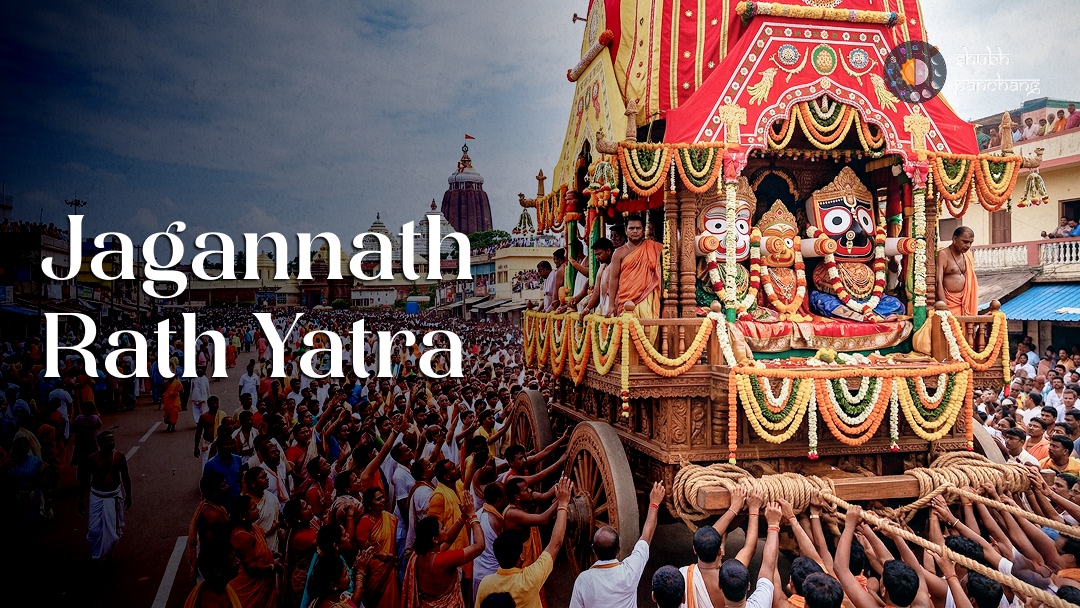
The sheer scale of the chariots is enough to leave anyone breathless. We are talking about massive wooden structures—Nandighosha for Jagannath, Taladhwaja for Balabhadra, and Devadalana for Subhadra—built entirely without a single metal nail! Can you imagine the precision required? Every year, new chariots are constructed from specific types of wood, following ancient Vedic measurements. I've often thought of these chariots as our 'cosmic GPS,' guiding us through the treacherous roads of life toward liberation. The red and yellow canopy of Nandighosha dominates the skyline, standing nearly 45 feet tall. But wait until you discover the spiritual symbolism: the chariot represents our body, the horses represent our senses, and the Lord is the Atman or the soul sitting within. When we pull the chariot, we are essentially asking the Lord to take control of our life's direction. It is a surrender that is both terrifying and immensely liberating.
The Secret Rituals: From Snana Yatra to Anasara
The lead-up to the grand day is filled with mystery and rituals that most people only see the surface of. It starts with the Snana Yatra , where the deities are bathed with 108 pitchers of water. Now, here’s the thing: after this grand bath, the Lord supposedly falls ill! This period is known as Anasara , a fortnight where the deities remain in a secret chamber, away from public view. During this time, they are 'treated' with traditional herbs and cooked roots. I find this ritual incredibly humanizing. It reminds us that even the divine undergoes cycles of rest and rejuvenation. As a practitioner, I’ve noticed that this period mirrors our own need for introspection and silence before a major life event. Only after this recovery does the Lord emerge in His 'Naba Jaubana' (new youth) look, ready to greet His devotees during the main Rath Yatra procession.
A Lesson in Humility: The King as a Sweeper
If there is one moment that defines the spirit of this festival, it is the Chhera Pahanra . The Gajapati King of Puri, considered the first servant of the Lord, comes forward to sweep the platform of the chariots with a golden broom. It’s a sight that always brings a lump to my throat. Here is a king, at the height of worldly power, performing the task of a humble sweeper. But what if I told you that this is the secret to spiritual growth? It’s a powerful statement that before the Lord of the Universe, everyone—from a king to a commoner—is equal. This ritual shatters the ego, which is often the biggest hurdle in our spiritual path. In today's competitive world, where everyone is trying to be 'somebody,' the Rath Yatra teaches us the beauty of being 'nobody' in the presence of the Divine.
The Act of Pulling: More Than Just a Rope
There is an ancient belief that even a slight touch of the chariot or its ropes can cleanse lifetimes of karma. You’ll see people desperately reaching out, tears streaming down their faces, just to hold the rope for a second. Is it just superstition? I don’t believe so. After years of observing these devotees, I’ve seen lives transform after this festival. Pulling the chariot is a physical manifestation of your internal prayer. It’s about saying, 'Lord, I am pulling You into my heart.' The collective energy of millions of people focusing on a single goal creates a spiritual vortex that is hard to describe. It’s like a massive surge of positivity that washes away the mental grime we accumulate in our daily grind. Whether you are in Puri or watching a smaller version in Ahmedabad or even London, the merit remains the same because the Lord responds to the intensity of the call, not the location.
Modern Vedic Living: Integrating the Spirit of the Yatra
How do we take this grand tradition and apply it to our modern, tech-driven lives? To me, the Rath Yatra is a reminder to take our spirituality 'on the road.' Don't keep your faith locked in a puja room; let it guide your interactions at work, your decisions in business, and your relationships. Just as the Lord comes out to meet those who cannot come to Him, we should also reach out to those in need. In the context of Modern Vedic Living, the chariot festival is a call for movement and progress. Standing still is not an option in the spiritual journey. We must keep moving toward our 'Gundicha,' our higher self, despite the crowds and the obstacles. It’s about finding that balance between the ancient tradition and our contemporary needs.
Conclusion: A Grand Spiritual Experience
As the chariots finally reach the Gundicha temple after hours of pulling and chanting, there is a sense of collective achievement that is unparalleled. But the festival doesn't end there; the return journey, or Bahuda Yatra , is equally significant, completing the cycle of the journey. Rath Yatra is not just a spectacle of colors and wood; it is a profound lesson in devotion, humility, and the unbreakable bond between the Creator and the created. It challenges us to look within and ask: 'Am I ready to pull the chariot of my life toward the divine?' I encourage you to look beyond the surface-level celebrations this year. Whether you can make it to Puri or not, meditate on the image of Lord Jagannath on His chariot. Surrender your ego, hold the metaphorical rope of faith, and let the Lord lead you home. After all, the journey is just as important as the destination.


